

Through cross-sector collaboration, Dassa brings an integrated approach to ecosystem restoration and community empowerment to support more sustainable post-disaster rehabilitation and reconstruction.
Jakarta, 16 September 2026 — Post-disaster recovery is not merely about rebuilding what has been damaged. It is also about ensuring that communities have a healthier environment and more resilient livelihoods to face the challenges ahead.
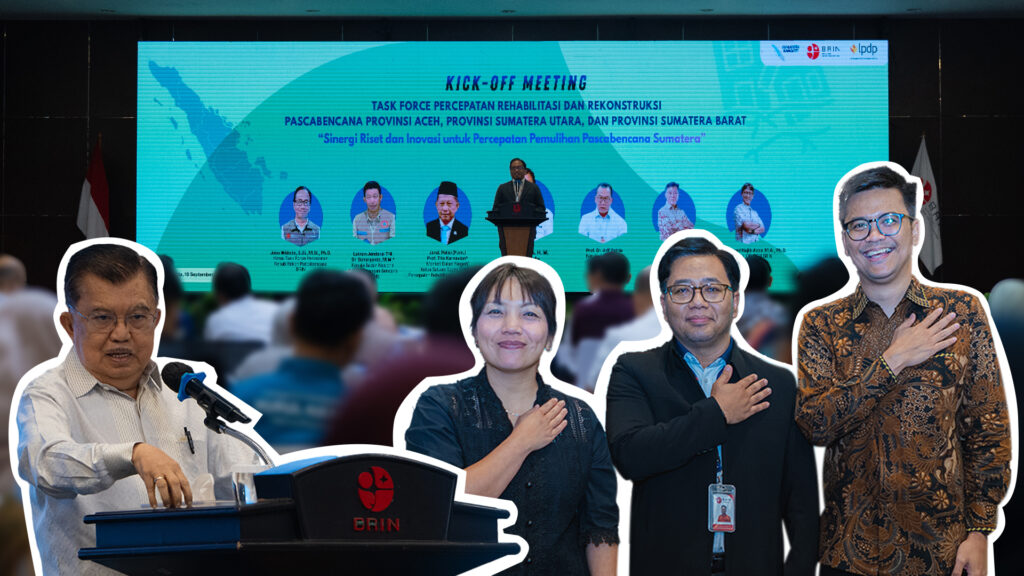
This principle underpins Dassa’s participation as a partner of the National Research and Innovation Agency (BRIN) in the Kick-off Meeting of the Task Force for Accelerating Post-Disaster Rehabilitation and Reconstruction in Aceh, North Sumatra, and West Sumatra, held at BRIN’s Gatot Subroto Office in Jakarta.
Under the theme Research and Innovation Synergy to Accelerate Post-Disaster Recovery in Sumatra, the event brought together stakeholders from various sectors to align recovery plans, strengthen collaboration, and promote the application of research and innovation in rehabilitation and reconstruction efforts.
The event also featured Jusuf Kalla, Indonesia’s 10th and 12th Vice President, as one of its speakers.
Restoring Livelihoods Requires Restoring Landscapes
Through the approach developed under the Pulih Berdaya programme in Aceh Tamiang, Dassa emphasises that economic recovery must go hand in hand with restoring the ecological functions of the landscapes on which communities depend.
For communities whose livelihoods rely on agriculture and natural resources, damage to forests, riverbanks, and water systems can prolong vulnerability long after a disaster has passed. Repeated flooding of agricultural land, for instance, can disrupt subsequent planting seasons and hinder household economic recovery.
To address these interconnected challenges, Dassa aims to support landscape restoration and livelihood recovery through three key approaches:
- Environmental Education
Engaging farmers and village youth in accessible, locally relevant discussions to improve their understanding of landscape conditions, flood vulnerability, and practical measures they can take together to protect their surrounding environment. - Rapid Landscape Check
Conducting rapid assessments to identify vulnerable areas, including degraded riverbanks, at-risk forest areas, surface runoff pathways, and agricultural land requiring attention. These findings are intended to inform restoration priorities. - Community-Based Restoration
Exploring voluntary restoration activities tailored to local conditions, such as small-scale nurseries, riverbank vegetation restoration, and the protection of vulnerable land.
These approaches are designed to ensure that environmental recovery efforts support communities without placing additional burdens on those already working to rebuild their lives.
Empowered Communities, Resilient Ecosystems
Haryo Ajie Dewanto, Director of Technical & Business Development at Dassa, explained that the company’s involvement follows an extensive process of cross-sector discussions and planning.
“Our role at Dassa focuses on forest ecosystem restoration and post-disaster community empowerment. Getting to this point has involved extensive discussions and planning across multiple sectors, considering not only ecosystems but also the social aspects and needs of communities,” said Haryo.
He believes that successful environmental recovery cannot be separated from communities’ ability to rebuild their lives.
“We believe that empowered communities are better able to protect their forests and surrounding environment, ultimately helping to safeguard the climate,” he added.
This perspective is central to Dassa’s approach: communities should not be viewed merely as beneficiaries of recovery programmes, but as essential partners in sustaining their outcomes.
Collaboration for Sustainable Recovery
During the event, Yanu Endar Prasetyo, BRIN Researcher and Coordinator of the Task Force for Post-Disaster Rehabilitation and Reconstruction in Aceh, West Sumatra, and North Sumatra, explained that the meeting served as a coordination platform between BRIN’s Task Force and the National Rehabilitation and Reconstruction Task Force.
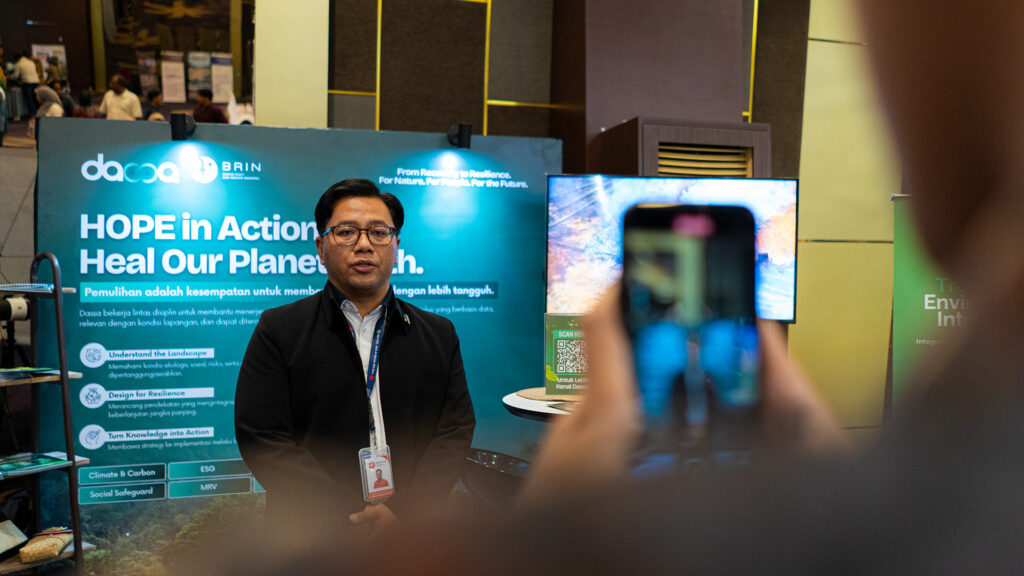
“Today, we are coordinating between BRIN’s Task Force and the National Rehabilitation and Reconstruction Task Force. With funding support from LPDP and our partners, we will carry out recovery activities in Aceh, North Sumatra, and West Sumatra, starting this September and continuing over the next 12 months,” Yanu explained.
The collaboration creates opportunities for stakeholders to contribute complementary expertise and resources, ranging from research and innovation to environmental restoration and community empowerment.
For Dr. Sylviana Andhella, President Director of Dassa, the trust placed in the company is both a source of pride and a reminder of its responsibility to uphold integrity in its work.
“We are truly proud that Dassa has been entrusted with this opportunity. It reflects the work we have done so far and shows that we have been doing things the right way, with honesty and integrity,” Sylviana shared.
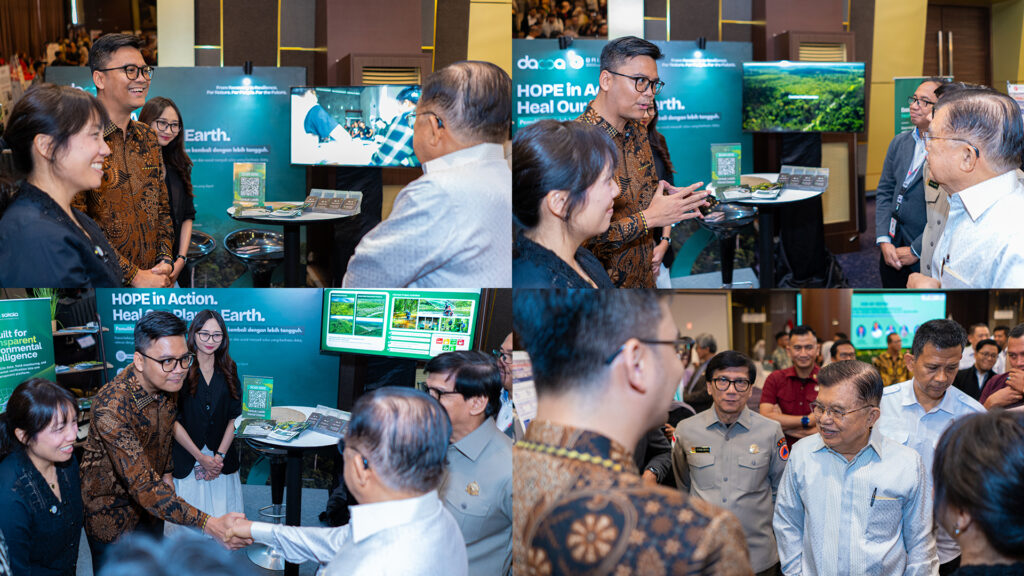
The occasion also provided Sylviana with an opportunity to speak directly with Jusuf Kalla about Dassa’s mission and its work alongside BRIN. Their conversation highlighted the importance of collective action in supporting long-term ecosystem restoration and post-disaster recovery.
“It was an honour for us to speak directly with Mr. Jusuf Kalla and explain Dassa’s mission together with BRIN. Ecosystem restoration is not something we can accomplish alone. It requires collaborative action,” she added.
Rebuilding for a More Resilient Future
Dassa’s involvement in this collaboration reflects its commitment to delivering environmental solutions that remain closely connected to the needs of local communities.
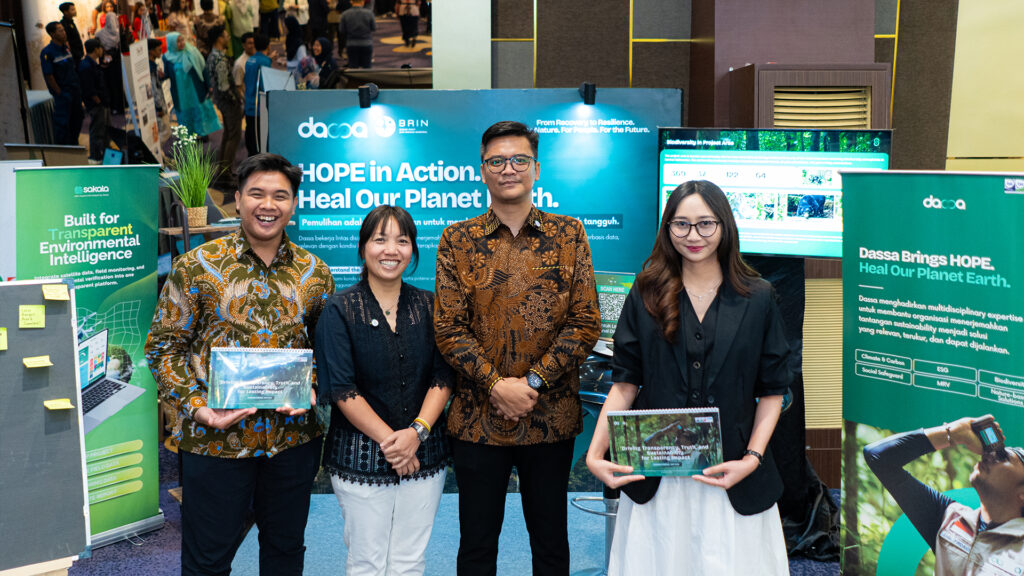
Through the Pulih Berdaya programme, Dassa seeks to support the restoration of landscape functions as a foundation for more sustainable livelihoods. This approach also creates opportunities for longer-term initiatives, including stronger environmental awareness, restoration monitoring, and landscape management that is more resilient to future disaster risks.
After all, meaningful recovery is not simply about restoring what has been lost today.
It is about ensuring that communities and ecosystems are better prepared to face tomorrow.